
Black Mold Removal in DeSoto, TX: What to Do and Who to Call
Dark mold on a DeSoto wall raises two questions: how much is there, and where is the water coming from? DeSoto Mold Help is a free referral service, not a mold company. Call [PHONE NUMBER] and we connect you with an independent local provider.
Each provider sets its own prices, availability and terms. This site does not.
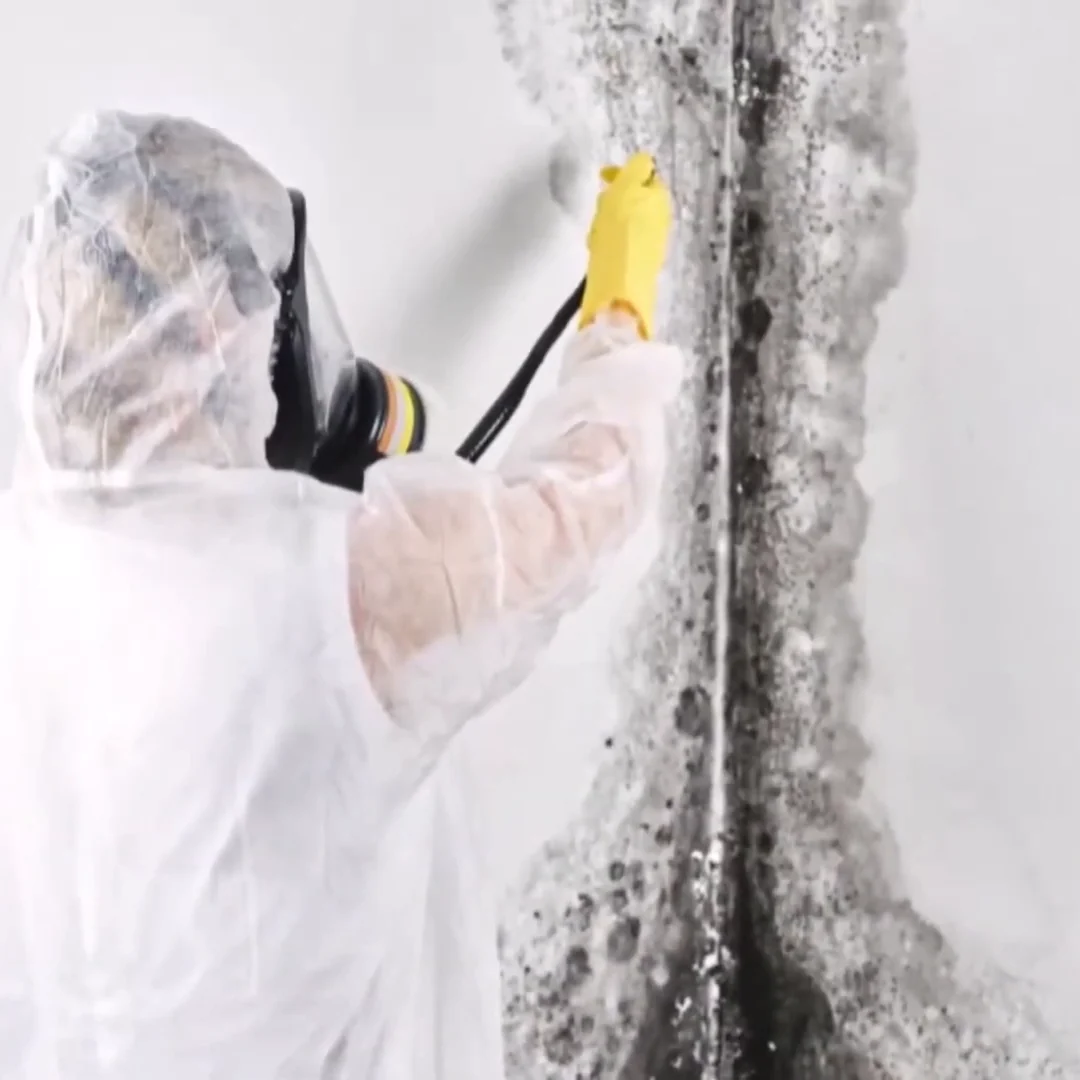
Quick Answers
- Color cannot name a mold. Only lab sampling can, and the cleanup steps barely change.
- In Texas, a company doing mold work for the public needs a TDLR license at 25 contiguous square feet or more.
- The assessor and the remediator must be separate companies on the same project.
- Mold returns when the water returns. Fix the leak first.
- This page is not medical advice. Health questions go to your doctor.
How Getting Connected Works
DeSoto Mold Help does not do mold work. We connect you with an independent local provider, then step back. It takes three steps:
The work itself follows the seven step process explained below.
Is It Really Black Mold? What Color Can and Cannot Tell You
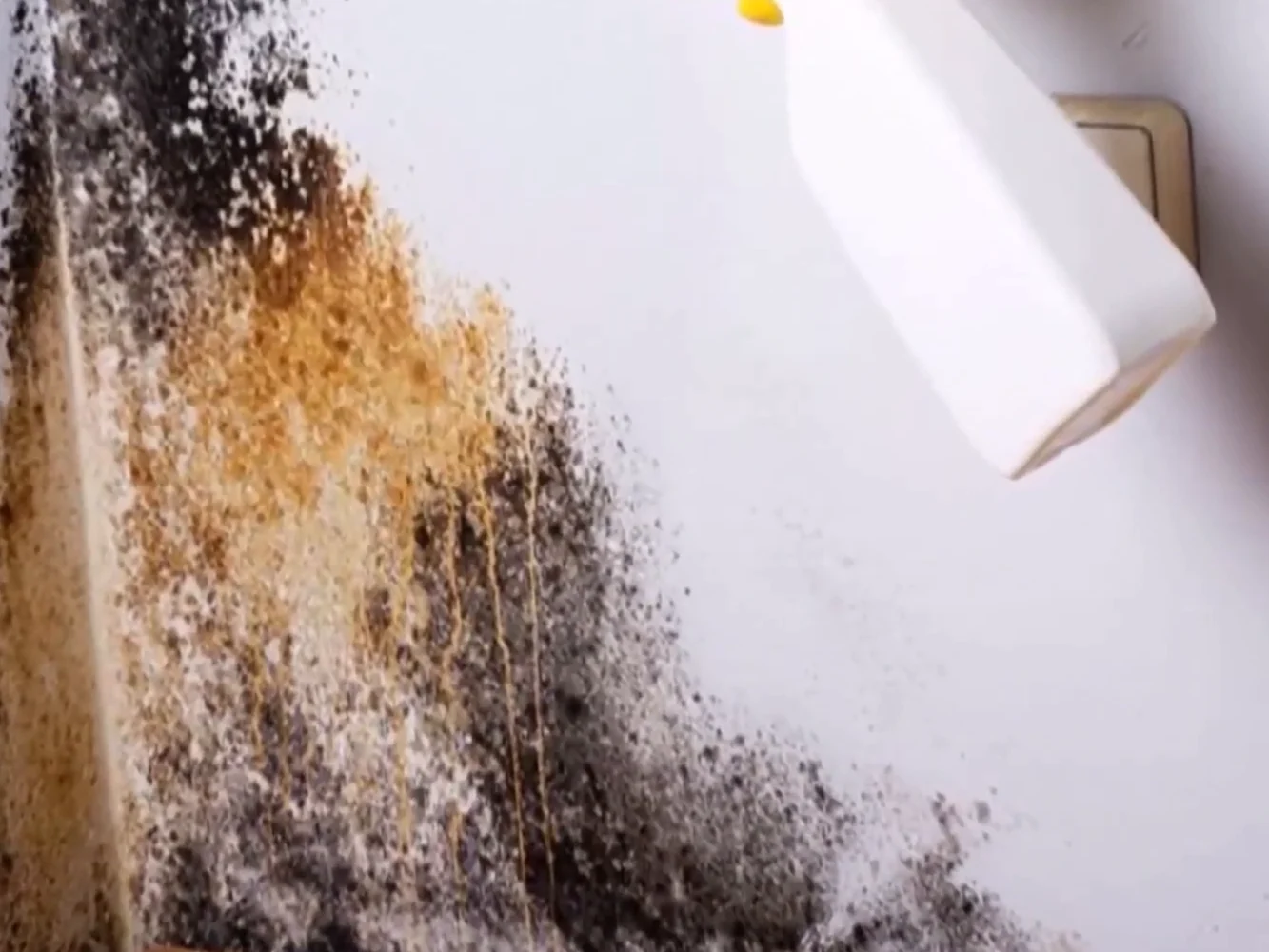
Dark spots on a wall do not prove you have black mold. Plenty of molds look dark, and dirt, soot and old water stains can pass for mold. The species people usually mean is Stachybotrys chartarum. Only a lab can name a species, and for cleanup it rarely matters, because all indoor mold gets handled the same way: fix the water, then remove it.
Signs it is more likely mold
- A damp, earthy smell that stays after you clean.
- Spots near a leak, a window, an AC vent or under a sink.
- Drywall paper, wallpaper, wood or ceiling tile that has stayed wet for days.
- Spots that come back within weeks of cleaning.
Mildew or black mold?
Mildew usually stays flat on the surface and wipes off. Heavier growth tends to look fuzzy or slimy and soaks into the material. Shine a bright flashlight along the wall at a low angle. You will often spot growth you missed in normal light. If you are unsure, treat it as mold and find the moisture.
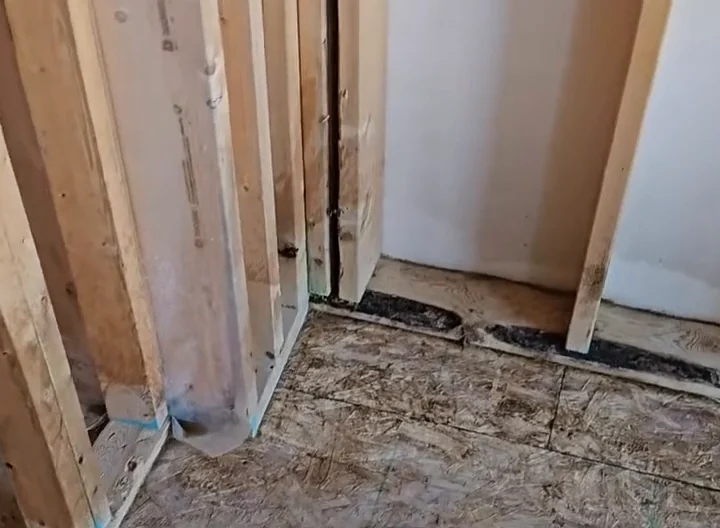
Is Black Mold Dangerous, and Can You Stay in the House?
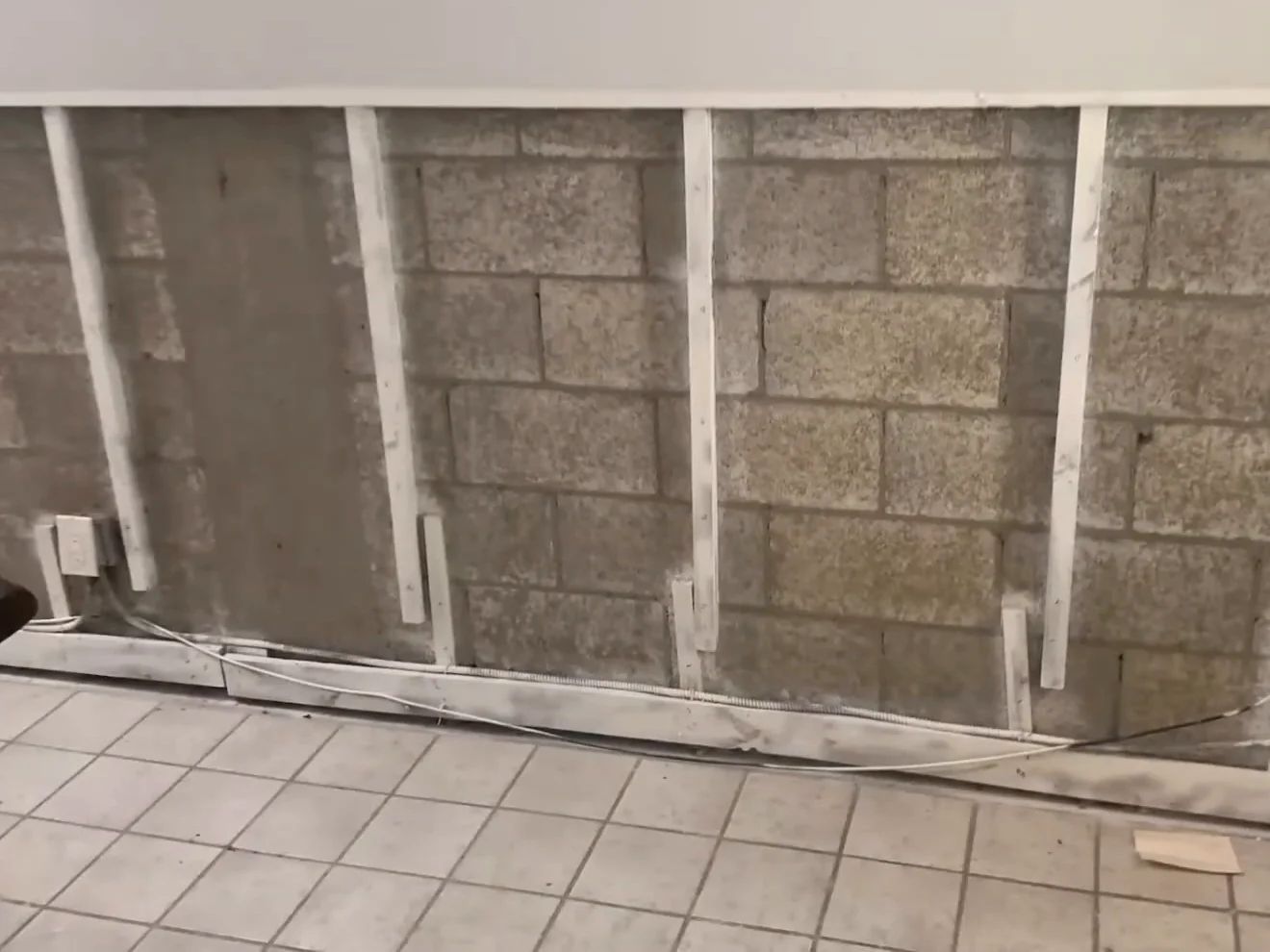
Heavy indoor mold can bother some people, especially anyone with asthma, allergies or a weak immune system. Research has not settled whether this one species causes specific illnesses in homes. So skip the scary stories and the guessing. Treat any large patch as a reason to fix the water and get it cleaned up.
- Keep children, older adults and anyone with breathing problems out of the affected room.
- See your doctor about symptoms. No website can diagnose you, including this one.
- If mold may be in the AC system, do not run it. The EPA says a contaminated system can spread mold through the building. Tell your provider.
- Think hard before sleeping in a room with a large, active patch, and ask a licensed assessor to look at it.
Why Black Mold Grows in DeSoto Homes
Stachybotrys needs steady wetness for a long time and something to eat. In a house that usually means paper faced drywall, wallpaper, wood or ceiling tile that stays wet for days or weeks. DeSoto has plenty of ways to get there:
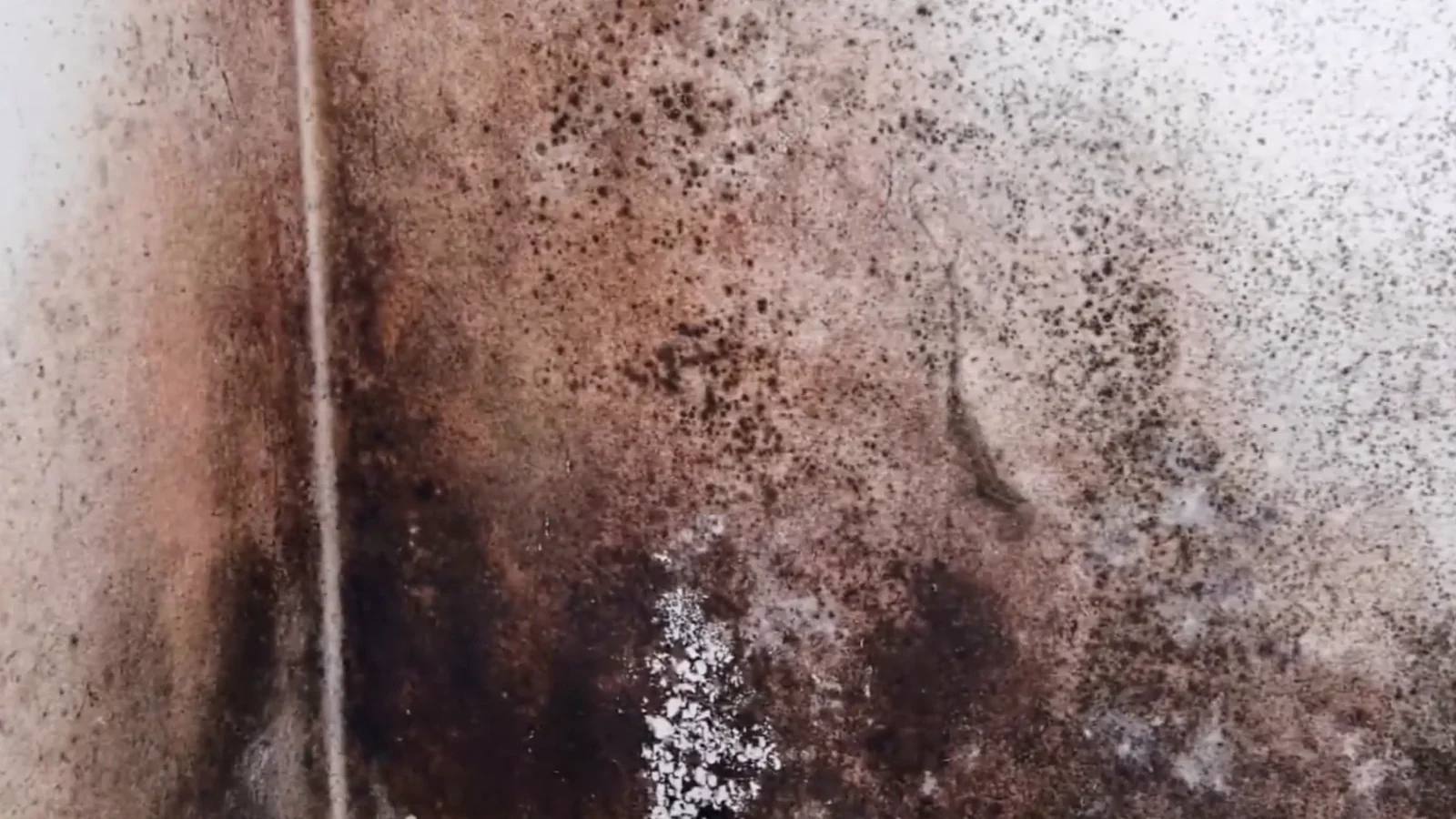
None of this cares about your address. Whether you live in ZIP 75115 or 75123, near Windmill Hill or off Pleasant Run Road, a wet wall behaves the same way.
Can You Do Black Mold Removal Yourself in Texas?
Sometimes, for a small patch. The EPA says most people can handle about 10 square feet. In Texas, no license is needed for mold under 25 contiguous square feet, and owners of a home with fewer than 10 units may do their own work. Large, hidden or returning mold is a job for a licensed pro.
| Size of the patch | Texas rule | What makes sense |
|---|---|---|
| Under about 10 sq ft | No license needed | Often a DIY job on hard surfaces, if the cause is fixed |
| 10 to under 25 sq ft | No license needed | Think twice, especially on drywall, carpet or if anyone in the house is sensitive |
| 25 sq ft or more | A company you hire needs a TDLR license. Owners of a home with fewer than 10 units may still do their own work. Tenants and managers may not | Call a pro. Doing it yourself may be legal for an owner, but it is heavy, risky cleanup |
If you try removing black mold yourself
- Fix the water first. Cleaning without that is wasted effort.
- Wear an N95 respirator, goggles and gloves, as the EPA advises. A loose dust mask is not enough.
- Close off the room from the rest of the house.
- Clean hard surfaces with detergent and water, and wipe wet. Never dry scrape, dry brush or sand. The EPA warns that disturbing mold can release spores.
- Soaked drywall, carpet and insulation usually have to be cut out, bagged and thrown away.
- Never mix bleach with ammonia or other cleaners.
Two myths that waste money
Bleach. The EPA does not recommend it as routine practice for mold cleanup. It can lighten a stain, but it does not soak into porous materials like drywall or wood, so growth can stay underneath. Paint. A coat of primer does not kill mold. Painting over it hides it, and home inspectors look for exactly that.
What Texas Law Says About Mold Cleanup
The Texas Department of Licensing and Regulation (TDLR) runs it under Chapter 1958 of the Occupations Code. These are the parts that affect you:
- Two licenses, two companies. A licensed assessor finds the mold and writes the plan. A licensed remediator does the cleanup. Texas does not let one company do both on the same project, and no one may own part of both on that project.
- Written protocol. On licensed jobs, the assessor writes what comes out, how, and what counts as a pass.
- Notification. Remediators notify TDLR before work of 25 contiguous square feet or more.
- Certificate. When the work passes, the remediator issues a certificate of mold remediation within 10 days of finishing, with a statement from the assessor. Keep it.
- Selling a home. A seller must give the buyer copies of any mold remediation certificate issued in the five years before the sale.
Why the split? An assessor with no cleanup to sell has no reason to overstate the job. Verify any license number on the TDLR mold program page before you sign.
How Professional Black Mold Removal Works
On a licensed Texas job, the steps run in this order. Many pros follow the IICRC S520 standard for mold remediation, and the written protocol governs the job.
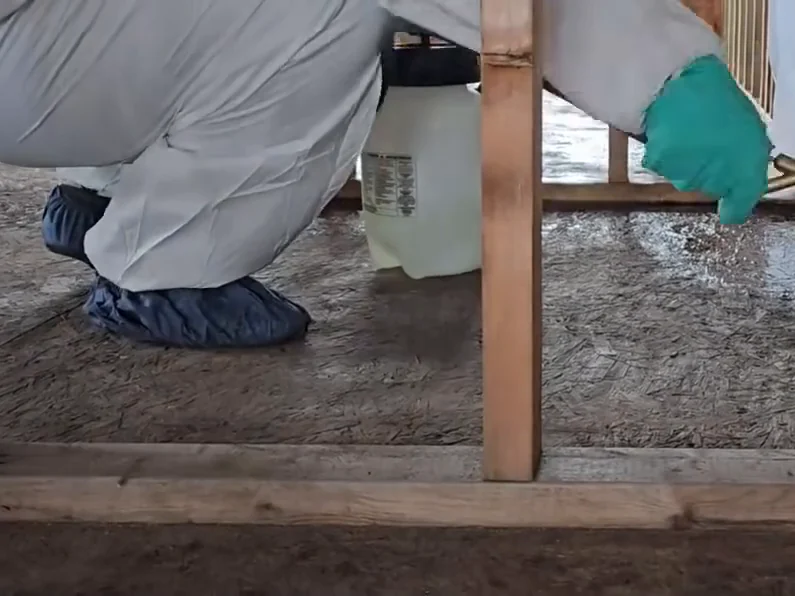
- Assessment. The licensed assessor walks the house with a moisture meter and a bright light, and takes samples when needed. The goal is to find the mold and the moisture source.
- Fix the water. A plumber, roofer or AC tech repairs the leak. Without that, the rest is temporary.
- Written protocol. The assessor lists the rooms, the materials to remove and the pass criteria.
- Containment. The remediator hangs plastic barriers, posts warning signs and runs a negative air machine ducted outside. A HEPA air scrubber runs inside the work area.
- Removal. Wet drywall, carpet pad and insulation come out and get bagged. Framing and hard surfaces get wire brushed and HEPA vacuumed.
- Cleaning and drying. Surfaces get an EPA registered antimicrobial. Air movers and dehumidifiers dry the structure. A sealer goes on only if the protocol calls for it.
- Clearance and certificate. The assessor checks the work. On a pass, the remediator issues the certificate.
One more thing. Rebuilding is separate. Remediation ends with clean, dry framing. New drywall and paint are usually a different contractor and a different quote. Ask each provider where their scope stops.
Black Mold Removal vs. Black Mold Remediation in DeSoto, TX
Removal takes the mold out. Remediation also fixes the moisture that fed it, works inside containment and ends with a clearance check. If you search for black mold remediation near me, you are asking for the second one.
| Small Area Cleanup | Licensed Remediation | |
|---|---|---|
| Goal | Wipe visible mold off hard surfaces | Remove the mold and deal with the cause |
| Moisture source | Often still there | Fixed first, or the mold returns |
| Containment | Basic care | Plastic barriers, negative air, HEPA scrubbers |
| Written protocol | Not required under 25 contiguous square feet | Written by a licensed assessor before work starts |
| Clearance | None | Assessor checks, remediator issues the certificate |
What It Costs and Whether Insurance Pays
Prices vary by job and by provider, and this site does not publish them. Because Texas splits assessment from cleanup, expect two quotes, not one.
| Area size | More area means more containment, labor and disposal |
|---|---|
| Materials | Soaked drywall, carpet and insulation come out. Hard surfaces can often be cleaned |
| Access | Tight crawl spaces and attics slow the work |
| Containment | Barriers and negative air add setup time on bigger jobs |
| Rebuild | New drywall and paint are usually a separate scope |
| Assessment | Priced separately from the cleanup |
Ask every provider for
- A written scope that says what is and is not included.
- A line for containment, disposal and drying.
- Where their work stops and the rebuild starts.
- Payment options, if cost is tight. Also ask what must be done now and what can wait. Never trade away containment to save money.
Insurance
The Texas Department of Insurance says policies generally cover sudden and accidental water damage, such as a burst pipe. Gradual leaks and flooding are usually excluded, and many policies leave out mold cleanup and testing unless you add coverage. Call your insurer before work starts, take dated photos, and keep the protocol and the certificate. TDI says claims call for a licensed mold professional.
Who to Call for Black Mold Removal in DeSoto, TX
Start with a licensed Texas mold assessor, then hire a separate licensed remediator. If you want help finding local pros, call [PHONE NUMBER]. We are a referral service, so we connect you and step back. The provider handles the visit, the work and the pricing.
Searching for black mold removal near me? Calls go to independent providers serving DeSoto and nearby areas, including [CONFIRM AREAS WITH LEAD SMART]. Whether you need black mold removal services in ZIP 75115 or 75123, or are comparing companies and specialists, ask these five things first:
- What is your TDLR license number, and can I check it?
- Who writes the protocol, and is that company separate from yours?
- What does the clearance check involve, and who does it?
- Will I get the certificate of mold damage remediation when it passes?
- Do you carry liability insurance, and can I see proof?
A provider who cannot answer these clearly may not be following the Texas process. Ask someone else.
Why Use DeSoto Mold Help
You can call a provider directly, and that is fine. Here is what you get by starting here instead:
Free to You
The referral costs you nothing. Providers set their own prices, and this site does not add to them or publish them.
No Mold Work to Sell
We do not clean, test or rebuild anything. That means we have no reason to push you toward a bigger job.
Texas Rules First
You see what Texas requires before you talk to anyone: the 25 square foot line, the separate assessor and remediator, and the certificate.
One Call for a Local Match
Instead of ringing around, you tell us what you see once and a local provider contacts you.
Plain Answers Before You Commit
This page covers cost drivers, insurance, DIY limits and the questions to ask, so you can judge a quote yourself.
Providers are independent businesses. This site does not guarantee their work, so check each license with TDLR yourself.
Buying or Selling a DeSoto Home With Mold
If an inspector flags suspicious growth before closing, a licensed assessor can say what it is and how far it spreads. Do not paint over it, since that will cost you more later. Sellers must give buyers any remediation certificate from the past five years. Keep yours with your closing papers.
Black Mold Questions, Answered
How much does black mold removal cost in DeSoto?
It depends on how much material is wet or moldy, where it sits and whether walls or floors must come out. No honest number fits every house. Texas splits assessment from cleanup, so expect two quotes. A written scope from a licensed provider is the best way to compare.
Does black mold have to be removed by a professional?
In Texas, a company you hire for mold work needs a TDLR license at 25 contiguous square feet or more. Below that, no license is required, and owners of a home with fewer than 10 units may do their own work. Hidden mold, wet walls or spread through the AC system are good reasons to call a licensed pro anyway.
Can black mold be completely removed?
Growth and affected material can be removed, and a passed clearance check confirms the work met the protocol. No honest provider promises zero spores, because spores exist in normal indoor and outdoor air. The goal is a clean, dry home with the moisture fixed.
Will black mold come back after cleaning?
Yes, if the water problem is still there. Mold needs moisture, so a leak, a wet crawl space or high humidity will bring it back. Fix the source, dry wet areas within 24 to 48 hours, and keep indoor humidity ideally between 30 and 50 percent.
Does homeowners insurance cover black mold?
Sometimes. In Texas, mold that follows sudden and accidental water damage, like a burst pipe, is often covered. Slow leaks and flooding are usually excluded, and cleanup or testing may need an added endorsement. Read your policy and call your insurer before work starts.
Can you still live in a house with black mold?
It depends on how much there is, where it is and who lives there. A small spot in one room is often managed while the leak gets fixed. Large or spreading growth, or anyone with asthma or a weak immune system, calls for faster help.
What is black mold remediation?
It is the full licensed process around removal: assessment, a written protocol, containment, removal of affected material, cleaning, drying and independent clearance, ending with a certificate of mold damage remediation on a pass.
Is all black mold toxic?
No. Color does not tell you what kind of mold it is, and many molds look dark. Indoor mold gets handled the same way either way: clean it up and fix the water. Effects vary by person, and the research on this species is unsettled. Ask your doctor about symptoms.
Get Connected With a DeSoto Mold Provider
Call [PHONE NUMBER] or send the form. Tell us where you see or smell mold, and when water last got in. Your request is shared with independent local providers so one can contact you.