
Home › Services › Crawl Space Mold Removal
Crawl Space Mold Removal in DeSoto, TX: What to Do and Who to Call
Mold under a house is a moisture problem first, and it can affect the rooms above. DeSoto Mold Help is a free referral service, not a crawl space mold removal company. Call us and we connect you with an independent local provider.
Independent providers set their own prices.
Quick Answers
- Find and fix the water first. The EPA says moisture control is the key to mold control.
- Texas lets unlicensed people clean visible mold under 25 contiguous square feet.
- A licensed remediator must follow a written work plan, on any size project.
- You do not need to know the mold type before cleanup.
- Many DeSoto homes sit on a slab. Check that you really have a crawl space.
How Getting Connected Works
We do not clean mold or work under your house. We make the first call easier.
- Call or Send the FormTell us what you see, smell or feel in the floors.
- We Pass It OnWe connect you with an independent local provider.
- The Provider Takes OverThe provider explains its license, scope and price. You decide.
Is It Really Mold in Your Crawl Space?
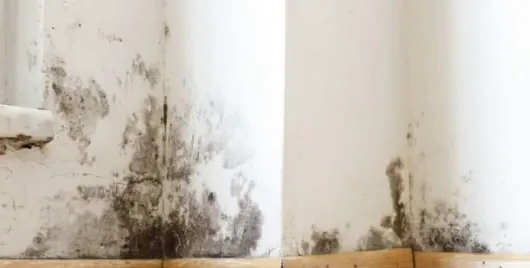
You often cannot tell by sight alone. Fuzzy growth, dark spots and a musty smell near the floor are common signs. People often call dark growth black mold, but color alone does not show the type. Dirt, old stains and mineral deposits can look the same. TDLR says you do not need to know the mold type before cleanup, so finding the water matters more than naming the mold.
Do you even have a crawl space?
Start here, because many Dallas Fort Worth homes sit on a concrete slab. Crawl spaces are mostly under older homes built on piers and beams. Walk the outside wall. Small vents near the ground or a low access door point to a crawl space. If you find neither, your musty smell likely comes from somewhere else, such as a bathroom, the attic or a plumbing leak.
What homeowners usually notice
- A musty smell that is strongest near the floor, or after rain
- Floors that feel soft, bouncy or cupped
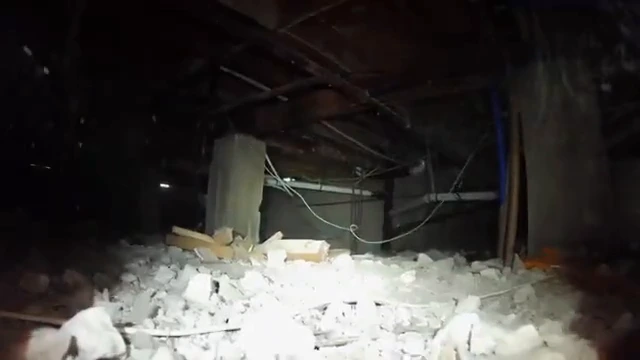
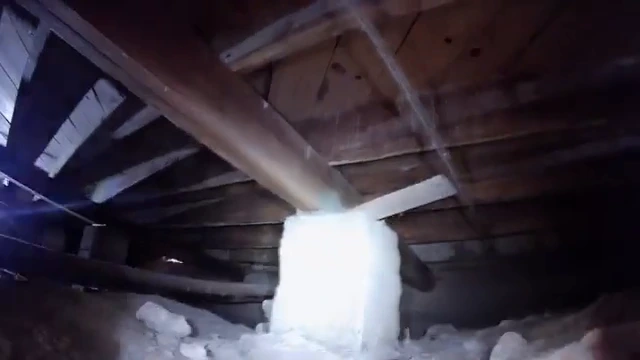
- Wet, sagging or dark insulation, seen from the access door
- Standing water or soggy soil
- Sweating air ducts under the floor
What sight cannot tell you
Color does not prove the type of mold, and a clean look does not prove the space is dry. A licensed assessor can check the space and write the plan. Our page on mold inspection in DeSoto explains that step, and mold testing has its own page.
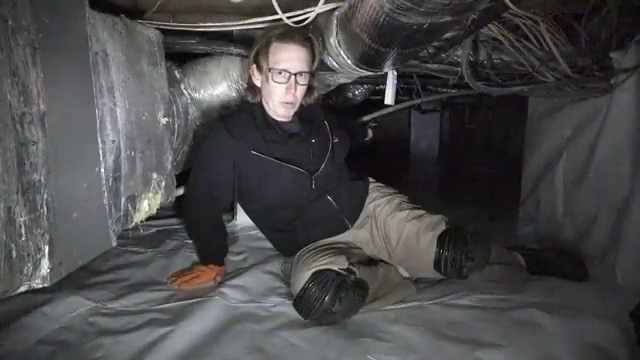
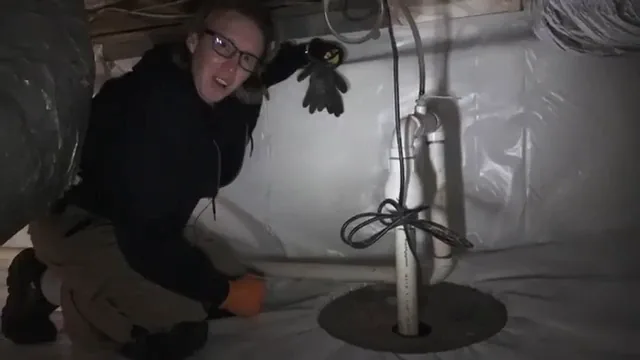
Is Crawl Space Mold Dangerous, and Can You Stay Home?
It is a moisture and building problem first. The EPA says moisture can move from a crawl space into the building through cracks in walls, floors and ceilings. So the space below your floor is worth taking seriously.
People react to mold in different ways. TDLR says no standard defines an acceptable amount of mold. This page cannot tell you what mold means for your health.
Can I stay home during removal?
It depends on the size of the job, how the work area is sealed off and who lives in the home. Ask the provider how it will contain the space. If anyone in your home has breathing problems, ask your doctor first.
Why Crawl Space Mold Happens in DeSoto Homes
Mold needs moisture, and wood framing gives it something to grow on. Here are common ways water gets under a house in the Dallas Fort Worth area.
- Wet soil. The EPA says bare earth crawl spaces are a common hidden source, because soil wicks up water and adds it to the air.
- Clay that moves. Clay soils in the Blackland Prairie north of Dallas swell when wet and shrink when dry, says the Texas Water Development Board. Soil near a house can move with the weather.
- Plumbing leaks. Supply and drain pipes often run under the floor. A slow drip can go unseen for a long time.
- Water that drains toward the house. The EPA says to slope the ground away from the foundation and keep water out.
- Humid summer air. Warm, damp air meets cooler surfaces such as air conditioner ducts and leaves water behind.
- Heavy rain after a dry spell. North Texas storms can send a lot of water at the foundation in a short time.
Can You Remove Mold From a Crawl Space Yourself in Texas?
Sometimes. TDLR says unlicensed people can clean visible mold under 25 contiguous square feet, and owners may do their own remediation in some cases. The EPA uses a smaller guide for do it yourself work: about 10 square feet. A crawl space is tight, damp and hard to breathe in, so many jobs are a poor fit.
| Small patch, your own home | 25 square feet or more | |
|---|---|---|
| Who may do it | You, in some cases | A licensed remediator |
| Written work plan | Not required for an owner | Required |
| Certificate of Mold Damage Remediation | Not possible | Only a licensed remediator can give one |
| Fixing the water source | Your job | Part of the plan |
Safety steps for a small patch
- Fix the water source first, or the mold will return.
- Wear a fitted respirator, gloves and goggles, as the EPA guide suggests.
- Do not stir up dust. Bag the waste before you carry it through the house.
Two myths that cost homeowners time
- “Bleach or a spray fixes it.” The EPA says routine bleach use is not recommended, and killed mold still has to be removed. A spray does not stop the water.
- “Under 25 square feet means no rules.” TDLR says a licensed remediator must follow the law, including a work plan, on any size project.
- The area is 25 square feet or more.
- You see standing water, sewage or loose wiring.
- The home is older. The EPA says asbestos is a frequent contaminant in crawl spaces of older buildings.
- You cannot move safely or breathe well in the space.
- Someone at home has health worries. Ask a doctor first.
What Texas Law Says About Mold in a Crawl Space
TDLR regulates this work under Texas Occupations Code Chapter 1958 and 16 Texas Administrative Code Chapter 78. Here is what that means for you.
- A licensed mold assessment consultant writes the protocol. A licensed remediator follows a work plan based on it.
- One license holder may not do both the assessment and the remediation on the same project.
- Only a licensed remediator can give you a Certificate of Mold Damage Remediation.
- You do not need a mold type test before cleanup.
Who can inspect and who can clean?
Two different licensed professionals, on the same project. This keeps the person who judges the problem separate from the person who is paid to fix it. Check any license on the TDLR license search before you hire.
How Professional Crawl Space Mold Removal Works
Texas calls this work mold remediation. Mold in crawl space removal follows the same order on most licensed jobs.
- Inspection and plan. A licensed assessor checks the space and writes the protocol.
- Find the water. The source must be found, or the mold returns.
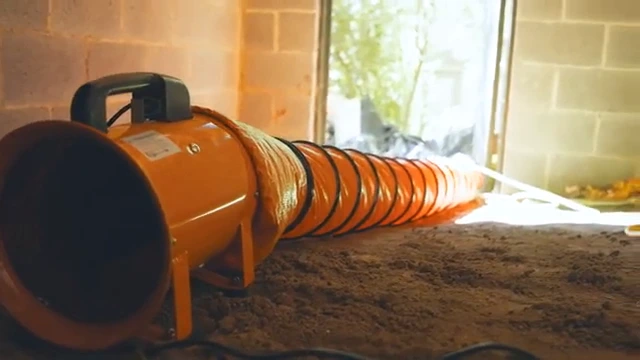
- Seal off and filter. The work area is contained and the air is filtered, so dust stays out of your living space.
- Remove what cannot be cleaned. Wet insulation and ruined materials go.
- Clean sound wood. Weak or rotted wood may need repair instead.
- Dry and check. The space is dried, then checked against the plan.
- Paperwork. On licensed jobs, the certificate comes last.
The EPA says crawl spaces are confined spaces. Only trained workers with full protective gear should enter.
How long does it take?
It depends on the size, how wet the space is and how hard it is to reach. Ask the provider for the schedule in writing.
Where the work stops
TDLR licenses mold work. Plumbing repair, drainage and foundation work are usually separate trades. If the leak came from a burst pipe or a storm, see our page on water damage in DeSoto. A good provider tells you early which part is theirs.
Crawl Space Mold Removal vs Moisture Control
Crawling under a house is only one place mold grows. For the whole home, see mold removal in DeSoto. If you search for crawl space mold removal near me, you will see two kinds of providers. Mold work cleans up what grew. Moisture work stops what feeds it. The EPA sets an indoor humidity target below 60 percent, ideally 30 to 50 percent.
| Mold removal | Moisture control | |
|---|---|---|
| Goal | Clean or remove the mold | Stop the water that feeds it |
| Examples | Remove wet insulation, clean wood | Grading, drainage, ground cover, dehumidifier |
| Limit | Does not stop new water | Does not remove mold already there |
| Who | Licensed remediator when required | Often a different trade |
Does every crawl space need encapsulation?
No. The right fix depends on drainage, soil, humidity and where the water comes from. Ask any provider to explain the moisture source before you agree to a large project.
Do vents or a dehumidifier fix it?
Not by themselves. In humid weather, vents can let damp air in, and a dehumidifier cannot stop a leak. Fix the water source first.
What Does Removing Crawl Space Mold Cost, and Does Insurance Pay?
We do not quote prices. Each independent provider sets its own. These things change the price:
| Cost driver | Why it matters |
|---|---|
| Size of the crawl space | More area means more work |
| How much mold | Heavy growth takes more removal |
| Access and height | Tight spaces slow the work |
| Wet insulation and materials | They must be removed and replaced |
| Drying and water repairs | The source must be fixed |
| Assessment and paperwork | A licensed plan and a certificate are separate steps |
Ask every provider for
- Its TDLR license number
- A written, itemized scope
- What is included and what costs extra
- How the work will be checked
Does insurance pay for mold in a crawl space?
It depends on your policy and the cause. The Texas Attorney General says most homeowners policies cover only sudden and accidental water leaks, and many do not cover mold remediation. Those that do usually cap it. Call your insurer before work starts. Your insurer cannot require a specific company. The Texas Department of Insurance can help if you have trouble finding coverage.
Why Use DeSoto Mold Help
Free to You
The referral costs you nothing.
No Crawl Space Work to Sell
We do not remove mold, so we have nothing to push.
State Rules First
We point you to the Texas license check before anything else.
One Call for a Local Match
One call connects you with an independent local provider.
Plain Answers Before You Commit
Ask your questions first. You decide.
Providers are independent businesses. We are not the service company.
Who to Call for Crawl Space Mold Removal Services in DeSoto
Start with a TDLR licensed mold professional. A licensed assessor can inspect first, and a different licensed remediator does the cleanup. DeSoto Mold Help is a free referral service. Call [PHONE NUMBER] and we connect you with an independent local provider.
We connect callers across DeSoto, TX 75115, from homes near the Town Center and Public Library on East Pleasant Run Road to streets near DeSoto High School on Eagle Drive and DeSoto West Middle School on North Westmoreland Road.
5 questions to ask any provider
- What is your TDLR license type and number?
- How will you find the water source?
- Will I get a written work plan?
- Do you or a company you own also assess the same project?
- What does your price include, and what costs extra?
Buying or Selling a Home With Crawl Space Mold?
If a licensed remediator gave you a Certificate of Mold Damage Remediation, the Texas Attorney General says you must give the buyer a copy of each certificate when you sell. Keep your paperwork together. Ask your agent or attorney how this applies to your sale.
Crawl Space Mold Removal FAQ
What does crawl space mold removal involve?
A licensed professional inspects the space, finds the moisture source, seals off the work area, removes materials that cannot be cleaned, cleans sound wood and dries the space. Fixing the water is part of the job. Without it, the mold can come back.
How much does it cost in DeSoto?
It depends on the size of the space, how much mold there is, access, wet materials, drying and water repairs. Each independent provider sets its own price. Ask for a written, itemized scope so you can compare offers fairly.
Does homeowners insurance cover mold in a crawl space?
It depends on your policy and the cause. The Texas Attorney General says most policies cover only sudden and accidental water leaks, many do not cover mold remediation, and those that do usually cap it. Call your insurer before work starts.
Can I remove mold from my crawl space myself?
Sometimes. TDLR says unlicensed people can clean visible mold under 25 contiguous square feet, and owners may work on their own property in some cases. Crawl spaces are tight and damp, so call a licensed professional if you are unsure.
When does Texas require a licensed remediator?
Generally for visible mold of 25 contiguous square feet or more. A licensed remediator must follow a written work plan on any size project. Check any license on the TDLR license search before you hire.
Is mold in a crawl space dangerous?
It is a moisture and building problem first, and moisture can move into the rooms above. People react to mold differently, and TDLR says no standard defines an acceptable amount. Ask your doctor about symptoms.
Can I stay in my home during removal?
It depends on the job size, how the work area is sealed off and who lives in the home. Ask the provider how it will contain the space. If anyone has breathing problems, ask your doctor before work starts.
How does professional removal work?
A licensed assessor writes the plan. A licensed remediator finds the water, seals off the area, removes ruined materials, cleans sound wood, then dries the space. Drainage or plumbing repairs may be separate jobs with other trades.
How long does it take?
It depends on the size of the crawl space, how wet it is, how hard it is to reach and whether repairs are needed. A fair schedule needs a site visit, so ask the provider to put it in writing.
Will the mold come back?
It can, if the moisture stays. The EPA says moisture control is the key to mold control. A leak, poor drainage or trapped humid air can bring it back. Ask any provider how it will handle the water source.
Do bleach, sprays or moisture absorbers fix crawl space mold?
No. They do not stop the water. The EPA says routine bleach use is not recommended, and killed mold still has to be removed. If water keeps entering, mold keeps growing. Fix the source first.
Do I need a mold test before removal in Texas?
You do not need a test to learn the mold type before cleanup, says TDLR. A licensed assessor may still inspect the space and write the protocol for larger projects. Ask the assessor what the plan needs.
Who should I call first in DeSoto?
Call a TDLR licensed mold professional. You can also call DeSoto Mold Help at [PHONE NUMBER] and we connect you with an independent local provider. We are a free referral service, not a mold removal company.
Get Connected
Fill in the form and we connect you with an independent local provider.
This site is a free referral service, not a crawl space mold removal company. Calls are connected to independent local providers.