
Home › Services › Attic Mold Removal
Attic Mold Removal in DeSoto, TX: What to Do and Who to Call
Dark patches on the roof deck, a musty smell upstairs or wet insulation after a spring storm all point to moisture in the attic. DeSoto Mold Help is a free referral service, not an attic mold removal company. Call [PHONE NUMBER] and we connect you with an independent local provider.
Each provider sets its own prices, availability and terms. This site does not.
Quick Answers
- Attic mold starts with water. Find the leak, vent or duct that feeds it before anyone cleans.
- Texas requires a license for mold work on 25 contiguous square feet or more.
- Attics are hot and tight. Large or hidden mold belongs with a licensed pro.
- Loose gray, pebble-like insulation may be vermiculite. The EPA says to assume it may hold asbestos and leave it alone.
- Most Texas policies cover sudden water damage, not gradual leaks, and often exclude mold cleanup.
How Getting Connected Works
- Call or Send the FormTell us what you see in the attic, where it is, and when water last got in.
- We Pass It OnYour request goes to an independent local provider. Say if you need an assessment, a cleanup, or both.
- The Provider Takes OverThe provider handles the visit, the work and the pricing. Ask for the Texas license number before you agree to anything.
Is It Really Mold in Your Attic?
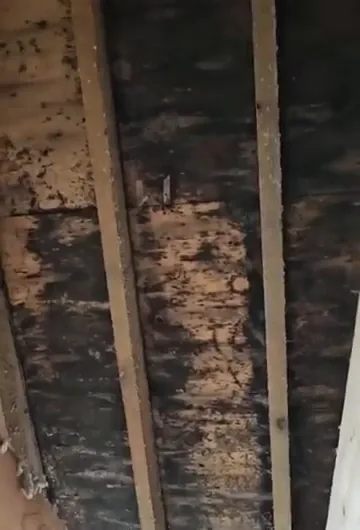
You cannot be sure by sight. Dark patches can be mold, but old water stains, dirt and soot can look the same. The EPA says sampling is usually not needed when you can see mold, and that no federal limits exist for mold in a home. What counts is whether the wood or insulation is wet, and why.
How do I know if I have mold in my attic?
Look from the hatch with a flashlight. Do not crawl around on the ceiling drywall. These are the common signs:
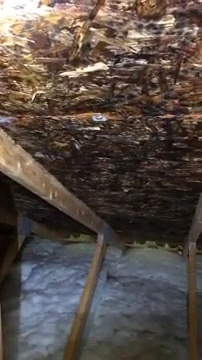
- Dark, spotty or fuzzy patches on the roof deck (the boards under the shingles), rafters or insulation.
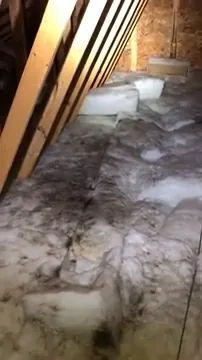
- Wet, clumped or sagging insulation.
- Damp, soft or discolored wood, often near roof vents, pipe boots and the bath fan.
- A musty smell in upstairs rooms or near the hatch.
- A ceiling stain that appears after rain.
What does attic mold smell like?
Most people describe a damp, earthy, musty smell. It is often strongest when the AC kicks on or after a storm. A smell alone does not prove mold, but it does point to moisture worth tracing.
Is the black stuff on my insulation mold?
It might be. Dust, soot and plain staining on old insulation can look black too. If the insulation is dry, loose and gray like small pebbles, do not touch it. It may be vermiculite, covered in the callout below.
Want a licensed opinion? A Texas assessor can inspect and say what it is. See mold inspection and mold testing.
Is Attic Mold Dangerous, and Can You Stay Home?
Attic mold is first a moisture and building problem. Air can move from the attic into the rooms below, so it should not be ignored. Mold affects people differently, and this page cannot tell you what it means for your health. Talk to your doctor about symptoms. A licensed pro handles the property.
Can attic mold spread to the rest of the house?
It can affect more than the attic if the moisture spreads to the ceiling below, or if the AC system is involved. The EPA says not to run an HVAC system you know or suspect is contaminated with mold. Tell the provider if your air handler or ducts sit in the attic. In many DeSoto homes, they do.
Can I stay home during removal?
It depends on the size of the job and how well the work area is sealed. Ask the provider how the attic will be contained and how the hatch and ducts will be protected. Tell them if anyone at home has asthma, allergies or a weak immune system, and ask your doctor what is right for that person.
A note on black mold
Color does not tell you the type of mold. Only a lab can. For the full picture, see black mold removal.
Why Attic Mold Happens in DeSoto Homes
Mold needs a wet surface. The EPA says moisture control is the key to mold control and that wet materials should be dried within 24 to 48 hours. Nobody checks the attic after a storm, so wet spots stay wet. These are the usual causes here:
Slow Roof Leaks
The EPA says roof leaks can wet materials above ceilings. A small gap at a vent pipe boot or flashing can soak the same patch of wood for months.
Spring Hail and Wind
The National Weather Service says spring is the peak of severe weather in the Dallas Fort Worth area, with large hail, damaging wind and flooding nearly every year somewhere in the Metroplex. A roof patched on top can still be wet underneath.
Blocked Vents Under the Eaves
ENERGY STAR says never to cover soffit vents with insulation. Baffles (rafter vents) keep air moving from the eaves up the roof deck. When insulation is blown over them, moist air stalls.
Bath Fans That Vent Into the Attic
The U.S. Department of Energy’s Building America Solution Center says moisture from a bathroom or kitchen fan that exhausts into the attic can cause mold growth. Fans should vent outdoors through a roof cap, soffit or wall.
Sweating Ducts in Hot, Humid Summers
July and August highs in the Dallas Fort Worth area are in the 90s and often reach 100 degrees, with humid air. The EPA says ducts in unconditioned spaces should be sealed and insulated because cold ducts can form condensation.
Storm Damage That Was Dried on the Outside Only
After a leak, the ceiling gets repaired and painted. The wet insulation and roof deck above it can stay damp if no one looks.
Will a new roof fix attic mold?
A new roof stops a leak. It does not remove mold that is already there, and it does not fix a fan, a duct or blocked airflow. Treat the roof and the mold as two jobs.
Can You Clean Attic Mold Yourself in Texas?
Sometimes, for a small area. Texas does not license cleanup of mold under 25 contiguous square feet, and it exempts residential property owners from the licensing rule. The EPA says most people can handle about 10 square feet. Those are two different numbers from two different sources, so do not mix them.
| Small Spot | Larger or Hidden Mold | |
|---|---|---|
| Size | About 10 square feet or less (EPA guide) | More than that, or you cannot see all of it |
| Who | You, with protection | A licensed professional |
| Gear | N95 respirator, gloves, goggles without vent holes | Full protective gear and containment |
| Cause | Fixed before you clean | Found and fixed as part of the plan |
| Attic factor | Hot, tight and hard to see in | Wiring, ducts and old insulation add risk |
Does bleach or a mold spray fix attic mold?
No. The EPA does not recommend bleach as routine mold cleanup. Dead mold can still cause reactions, so it has to be removed, not just killed. A spray also does nothing about a roof leak. Never mix bleach with ammonia.
Is it worth removing attic mold at all?
If the area is small, dry and the cause is fixed, cleaning it may be enough. If it is wide, wet, or keeps returning, the cause is still active. That is when a plan from a licensed pro pays off.
Stop and call a pro if
- The mold covers more than a small patch, or you cannot see all of it.
- The insulation is loose, gray and looks like small pebbles. It may be vermiculite. The EPA says to assume it may contain asbestos and to leave it undisturbed. Removal should be done by a trained, accredited asbestos abatement contractor.
- Mold is on or near the AC air handler or ducts.
- Wiring is exposed or the floor is weak.
- Anyone at home has asthma or a weak immune system. Ask your doctor first.
What Texas Law Says About Attic Mold Removal
The Texas Department of Licensing and Regulation (TDLR) licenses mold assessors and remediators under Texas Occupations Code, Chapter 1958 and the TDLR rules in 16 Texas Administrative Code, Chapter 78.
When do you need a licensed remediator?
A company you hire for mold work on 25 contiguous square feet or more must hold a TDLR license. A licensed remediator also follows a written work plan on every project, even a small one. Check any license on the TDLR mold program page before you sign.
Who inspects and who cleans?
Under state law, the assessment comes first. The assessor writes what the cleanup must cover and how to tell when it is done. The remediator writes the plan and gives you a copy before work starts. One person may hold both licenses but may not do both jobs on one project. No one may own part of both firms on that project.
What paperwork do you get?
- A consumer mold information sheet from the remediator after you sign the contract.
- A copy of the work plan.
- A certificate of mold remediation after the job passes. Keep it for your records.
The Texas Attorney General also says an insurer cannot require you to use a specific contractor.
How Professional Attic Mold Removal Works
Assessment
A licensed assessor inspects the attic, reads moisture levels where needed and finds the water source.
Work Plan
The remediator writes the plan and gives you a copy before work begins.
Protect the Way In
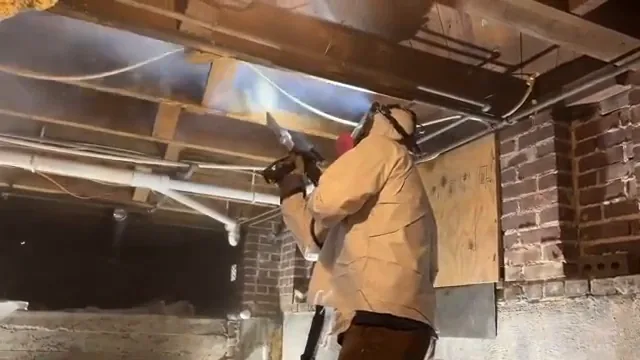
The hatch, the path through the house and any ducts are covered and sealed so dust does not travel.
Containment and Air Filtration
The work area is sealed. HEPA filters clean the air where the plan calls for it. State rules name containment for projects of 25 contiguous square feet or more.
Remove What Cannot Be Cleaned
Wet insulation and badly damaged material come out and are bagged.
Clean and Dry
Sound wood can often be cleaned. Soft or rotted wood is a repair, and a roofer or carpenter may need to handle it.
Check and Certificate
The assessor checks the result against the plan. When it passes, you receive the certificate.
Do you have to remove all the insulation?
Not always. Dry, clean insulation can stay. Wet or moldy insulation usually comes out. The assessor and remediator decide after they see it.
What is the difference between removal and remediation?
Removal takes the mold out. Remediation also handles the cause, works behind containment and ends with a check. Texas calls the licensed work remediation.
Where does the work stop?
Roof repair, bath fan ducts, new vents and AC duct work are other trades. A good plan names who fixes the source. Ask before work starts.
How long does attic mold removal take?
It depends on the attic size, how wet it is, access, and whether repairs come first. A provider cannot give a fair schedule without seeing the space. Ask for it in writing after the assessment.
Attic Mold Removal vs. Fixing the Cause
Removing mold without fixing the water gives you a clean attic for a short while. Both jobs matter, and they may need different people. If you search for attic mold removal near me, ask each provider how the source will be handled, not just the cleanup.
| Problem | What Fixes It | Who Usually Does It |
|---|---|---|
| Mold on the roof deck or rafters | Licensed mold remediation | Licensed remediator |
| Roof leak | Roof repair | Roofer |
| Bath fan into the attic | Insulated duct to the outdoors, air sealed | Roofer and HVAC pro |
| Blocked soffit vents | Clear the vents, add baffles | Insulation or attic pro |
| Sweating ducts | Seal and insulate ducts | HVAC pro |
The EPA also suggests keeping indoor humidity below 60 percent, ideally between 30 and 50 percent.
Can better ventilation alone fix attic mold?
Not by itself. Vents help dry an attic, but they do not remove mold that is already growing, and they do not stop a leak. Find the source first.
What Does It Cost to Remove Attic Mold, and Does Insurance Pay?
Each provider sets its own prices, and this site does not publish them. These things move the cost:
| Attic size | More area means more containment, labor and disposal. |
|---|---|
| How much is affected | Roof deck, rafters and insulation each add work. |
| Access | A small hatch, low pitch and tight spaces slow the work. |
| Repairs | Vents, ducts, fans and roof work may be separate jobs. |
| Assessment | Texas keeps it apart from the cleanup, so it is quoted separately. |
Ask every provider for
- Their TDLR license number.
- A written, itemized scope.
- A plan for the moisture source.
- The certificate when the job passes.
Does homeowners insurance cover attic mold?
It depends on your policy and what caused the water. The Texas Department of Insurance says most policies cover sudden and accidental water damage, and mold that results from a covered loss may be covered. Damage from gradual leaks is not covered, and neither is mold that comes from one. Most policies leave out mold cleanup and testing unless you buy an add-on. Policies may also set a time limit for reporting damage. Call your insurer before work starts, and keep dated photos.
Why Use DeSoto Mold Help
Free to You
We charge you nothing for the referral.
No Attic Mold Work to Sell
We are not a mold company, so we have no job to push.
State Rules First
You learn the Texas rules before you pick up the phone.
One Call for a Local Match
One call connects you with an independent local provider.
Plain Answers Before You Commit
Know what to ask, then decide.
Providers are independent. They set their own prices and terms.
Who to Call for Attic Mold Removal Services in DeSoto
Start with someone licensed in Texas. A licensed assessor can inspect first, and a licensed remediator does the cleanup. Not sure which one you need? Call [PHONE NUMBER] and we connect you with an independent local provider.
DeSoto is a Dallas County city on the south side of Dallas Fort Worth, and it shares the Best Southwest with Cedar Hill, Duncanville and Lancaster. Attics near the Paul S. Dryer Preserve at Windmill Hill, along East Pleasant Run Road near the DeSoto Public Library, and across ZIP 75115 and 75123 follow the same Texas rules.
5 questions to ask any mold removal company
- What is your TDLR license number?
- Who writes the work plan, and is that firm separate from yours?
- How will the attic, the hatch and the ducts be contained?
- How will you handle the moisture source?
- Will I get the certificate when the job passes?
If a provider cannot answer clearly, ask someone else.
Buying or Selling a Home With Attic Mold?
Attic staining can come up in a buyer’s inspection. A licensed assessor can say what it is and how far it spreads. Do not paint over it. Texas law says a seller must give the buyer a copy of any mold remediation certificate issued in the past five years, so keep your paperwork. Ask a Texas real estate agent or attorney what applies to you.
Attic Mold FAQ for DeSoto Homeowners
What is involved in removing attic mold?
Removing attic mold means cleaning or removing mold from the roof deck, rafters and insulation, then fixing the moisture that fed it. A licensed pro inspects first, seals off the work area, removes materials that cannot be cleaned, and dries the space. Without a fix for the water, mold can return.
How much does it cost to remove attic mold in DeSoto?
It depends on the attic size, how much wood and insulation is affected, access, and whether vent, fan or duct repairs are needed. Each independent provider sets its own price. Ask for a written, itemized scope so you can compare offers fairly.
Does homeowners insurance cover mold in the attic?
It depends on your policy and the cause. The Texas Department of Insurance says most policies cover sudden, accidental water damage but not gradual leaks, and most do not include mold cleanup and testing unless you add coverage. Ask your insurer before work starts.
Can I clean attic mold myself in Texas?
Sometimes. Texas exempts residential property owners from the licensing rule, and the EPA says most people can handle about 10 square feet. Attics are hot and tight and can hide old insulation, so fix the water source first. For larger areas, call a licensed pro.
When does Texas require a licensed mold remediator?
Texas requires a license for mold work on 25 contiguous square feet or more. A licensed remediator also follows a written work plan on every project. Check any license on the TDLR license search before you hire.
Is mold in an attic dangerous or serious?
Attic mold is first a moisture and building problem. Air from the attic can reach the rooms below, so it should not be ignored. Mold affects people differently, and this page cannot say what it means for your health. Talk to your doctor about symptoms.
What causes mold in an attic?
Mold grows where wood or insulation stays wet. In DeSoto homes that often means a slow roof leak, storm damage that never fully dried, blocked vents under the eaves, a bath fan that vents into the attic, or ducts that sweat in summer heat. Find the water first, then clean.
How long does it take to remove mold from an attic?
It depends on the attic size, how much mold there is, how hard it is to reach, how wet the materials are, and whether repairs come first. A provider cannot give a fair schedule without seeing the attic. Ask for it in writing after the assessment.
Will attic mold come back after removal?
It can, if the moisture stays. The EPA says moisture control is the key to mold control. A roof leak, a fan vented into the attic or blocked airflow can bring it back. Ask each provider how the source will be handled.
Does bleach or a spray fix attic mold?
No. The EPA does not recommend routine bleach use, and says dead mold can still cause reactions, so mold must be removed. If water keeps getting in, mold keeps growing.
Can I stay in my home during attic mold removal?
It depends on the size of the job and how the work area is sealed. Ask the provider how the attic will be contained, and tell them about anyone with breathing problems. For health concerns, ask your doctor.
Does attic mold affect selling or buying a home?
It can come up in a buyer’s inspection. A Texas seller must give the buyer any mold remediation certificate issued in the past five years. Ask a Texas real estate agent or attorney what applies to you.
Who should I call for attic mold removal in DeSoto?
Start with someone licensed in Texas. Call [PHONE NUMBER] and we connect you with an independent local provider. We are a free referral service, not an attic mold removal company.
Get Connected With an Attic Mold Provider
Call [PHONE NUMBER] or send the form. Your request is shared with independent local providers so one can contact you.
Referral disclosure: This site is a free referral service, not an attic mold removal company. Calls are connected to independent local providers.